Bullying
Overview
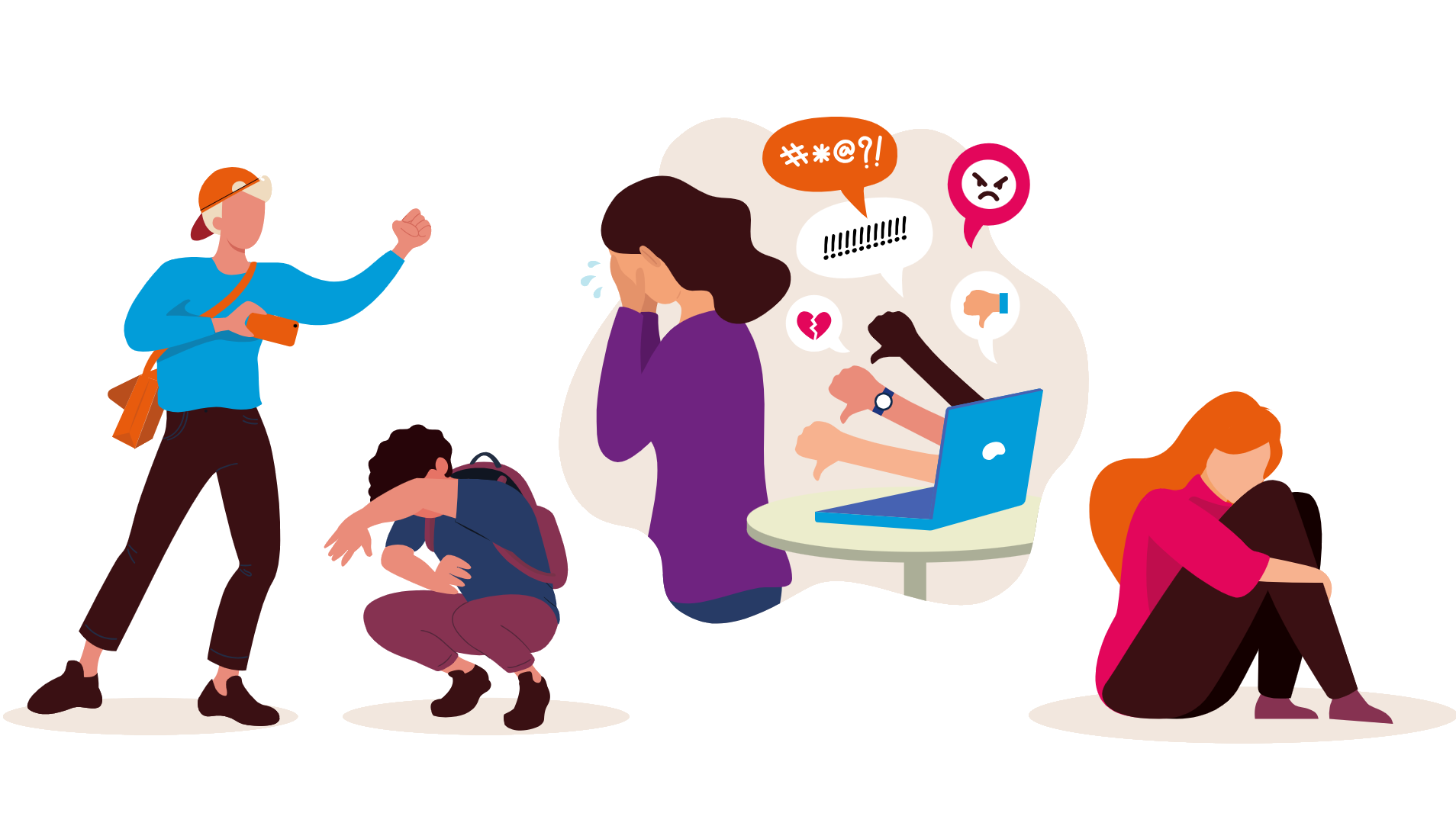
Bullying is the repetitive, intentional hurting of one person or group by another person or group. The relationship between the bully and victim involves an imbalance of power. Bullying can be physical, verbal or psychological. It can happen face-to-face or online.
Bullying can happen in different ways, including:
- Physical - such as hitting, kicking, or pushing.
- Verbal - such as calling names or teasing.
- Emotional - such as leaving someone out or spreading rumours.
Online (cyber) such as being mean to someone on the internet or by messages.
Children with SEND are more likely to experience online bullying. They are also less likely to be able to use the internet and less likely to have support to use the internet. You can find out more on the Anti-Bullying Alliance website:
Being bullied can make the victim feel scared, sad and / or alone. It can even make them want to avoid going to school / college.
Bullying in Education Settings
If you think your child is being bullied, you should try to find out more and keep a record of what is happening. You will need this record to raise it with their school or college.
Records of bullying can include:
- a written record of what the child says has happened. This should include what they said took place, where, when and who was involved, if possible.
- another witness if someone else saw the bullying take place.
- a photograph if there are any visible injuries or wounds.
- screenshots if the bullying took place online. The bully should then be blocked to hopefully prevent them from sending any more harmful content.
It may be difficult for some children and young people with SEND to talk about their experience of being bullied. When discussing what happened with your child / young person you should:
- talk in a calm manner
- be patient
- reassure them
- offer them to show you pictures or act out what happened with toys if they are struggling to vocalise
In the first instance, you should raise the bullying with the education setting. The setting will provide support and discuss any concerns and support.
- State-maintained schools must have a behaviour policy that includes active measures to prevent all forms of bullying.
- Colleges and post-16 settings are covered by safeguarding and equality laws. This includes the Equality Act 2010 and statutory guidance like Keeping Children Safe in Education. These laws require them to maintain a zero-tolerance approach to harassment, discrimination, and bullying.
You should ask to see the school or college’s anti-bullying and behaviour policy.
School complaints
Every school has a process for making complaints called a complaints procedure. You can usually find it on the school’s website. It explains how to complain and what to do next if:
- you are not happy with the school’s reply, or
- you think the school did not follow its own process properly.
You must have followed all the steps in the school’s complaints procedure. If you don't think the school has not handled the complaint as they should have done, or they are stopping you from following the procedure, you can complain to the Department for Education (DfE):
Hate Crimes
Bullying may be considered a hate crime if it's due to:
- a disability,
- sexuality,
- gender identity,
- race,
- faith, or
- gypsy heritage.
You can report a hate crime on the Sussex Police website:
Bullying Advice and Support Services
Amaze Special Educational Needs and Disabilities Information Advice and Support Service (SENDIASS)
Amaze SENDIASS are a local charity. They offer free, independent, and impartial advice for all matters relating to SEND. This may include being bullied with SEND. You can contact Amaze SENDIASS by:
- Phone - 01273 772 289
- Email - sendiass@amazesussex.org.uk
Visit Amaze's Bullying web page.
There are various other websites that offer advice, information and support with how to deal with being bullied:
- Help with Bullying | Coram Kidscape
- Bullying | Coram Family Lives
- Bullying and cyberbullying | Childline
- Parents Guide to Bullying Support | Young Minds
- Information and advice about all forms of bullying | National Bullying Helpline
Bullying often takes a toll on a child or young person's mental health. You can find support by visiting Mental Health and Emotional Wellbeing.
Glossary of East Sussex SEND Terms
We explain some of the terms used on this website on our page, Glossary of East Sussex SEND Terms.